
Materials Science
Postgraduate Program | School of Science
Materials Science
The Materials Science postgraduate program at Zewail City offers a research-driven pathway focused on understanding, designing, and applying advanced materials across a wide range of scientific and industrial applications. The program integrates principles from chemistry, physics, and engineering to explore the structure, properties, and performance of functional materials.
Students develop expertise in material synthesis, characterization, and application, preparing them to contribute to emerging technologies in energy, environment, and advanced materials systems.
Why Study This Program
at Zewail City?
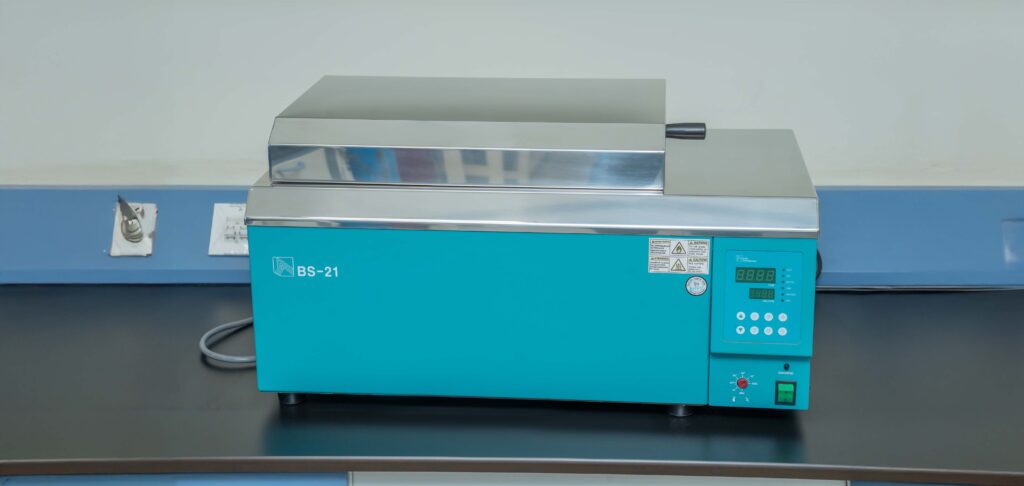
- Access to advanced research facilities and specialized laboratories for materials synthesis, characterization, and device fabrication
- Faculty mentorship from internationally recognized researchers in materials science and related fields
- Strong focus on applied research addressing global challenges in energy, water, and sensing technologies
- Interdisciplinary research environment integrating chemistry, physics, and engineering
- Opportunities to engage in high-impact research and international collaborations

Key Areas of Study
- Advanced Functional Materials
- Energy Storage and Conversion Technologies
- Nanomaterials for Water Treatment
- Materials for Chemical Sensing
- Computational Materials Science and Modeling
- Applied Electrochemistry and Catalysis
- Emerging Technologies in Sustainable Materials
Available Degrees
M.Sc. in Materials Science
Program Information
| Degree Type: M.Sc. |
Study Mode: Full Time |
Duration: 2 Years |
| Total Credit Hours: 40 |
Language of Study: English | School: School of Science |
Program Overview
The M.Sc. in Materials Science is a research-based program designed to develop advanced knowledge and practical skills in the study and application of functional materials. The program combines foundational scientific principles with specialized coursework and laboratory research, enabling students to understand material behavior and develop solutions for real-world applications.
Students gain experience in materials synthesis, characterization, and performance analysis, preparing them for research and advanced technological development.
Program Educational Objectives
Within a few years of graduation, graduates are expected to:
- Develop advanced knowledge in materials science and related disciplines
- Apply scientific principles to design and evaluate materials systems
- Conduct research in areas such as energy, environment, and sensing
- Contribute to industrial, academic, or research-based applications
Graduate Outcomes & Competencies
Upon completion of the program, graduates will be able to:
- Identify and solve scientific problems using materials science principles
- Design and evaluate materials and processes for specific applications
- Conduct experiments and analyze scientific data
- Communicate findings effectively across scientific and technical audiences
- Understand ethical and professional responsibilities in research
- Work effectively in multidisciplinary teams
Research Experience & Thesis
The program integrates research from early stages, allowing students to work closely with faculty on applied research problems. Students engage in experimental work, data analysis, and material characterization techniques.
The thesis spans multiple semesters and covers the full research cycle—from problem definition to experimental validation and final defense—preparing students for advanced research or industry roles.
Career & Academic Pathways
Graduates of the program are prepared for:
- Ph.D. studies in materials science or related fields
- Research roles in academic and scientific institutions
- Positions in R&D across energy, environmental, and advanced materials industries
- Careers in high-tech sectors such as batteries, semiconductors, and sensors
- Opportunities in innovation, product development, and technology transfer
Degree Requirements
To earn the M.Sc. in Materials Science, students must complete 40 credit hours, including:
- University Requirements — 5 Credit Hours
- Program & Coursework Requirements — 18 Credit Hours
- Research & Thesis Requirements — 17 Credit Hours
Students are advised to consult their academic advisor regularly to ensure all requirements are fulfilled.
Ph.D. in Materials Science
Program Information
| Degree Type: Ph.D. |
Study Mode: Full Time |
Duration: 4 Years |
| Total Credit Hours: 60 |
Language of Study: English | School: School of Science |
Program Overview
The Ph.D. in Materials Science is a research-intensive program designed to develop independent researchers capable of advancing knowledge in functional materials and their applications. The program focuses on understanding the physical and chemical behavior of materials and applying advanced methods in synthesis, characterization, and performance evaluation.
Students conduct original research addressing critical challenges in areas such as energy systems, environmental technologies, and sensing applications, contributing to innovation in advanced materials.
Program Educational Objectives
Upon completion of the program, graduates will be able to:
- Conduct independent and original research in materials science
- Design, synthesize, and evaluate advanced materials systems
- Apply experimental, analytical, and computational methods
- Analyze data and interpret results for complex material systems
- Communicate research findings through publications and presentations
- Lead research projects in multidisciplinary environments
Program Learning Outcomes
Upon completion of the program, graduates will be able to:
- Conduct independent and original research in materials science
- Design, synthesize, and evaluate advanced materials systems
- Apply experimental, analytical, and computational methods
- Analyze data and interpret results for complex material systems
- Communicate research findings through publications and presentations
- Lead research projects in multidisciplinary environments
Research Experience & Dissertation
The Ph.D. program is centered on independent, high-impact research. Students define and execute a dissertation project addressing critical challenges in materials science, particularly in areas such as energy, environment, and sensing technologies.
Research is conducted using advanced facilities for material synthesis, characterization, and testing. Students are expected to publish in peer-reviewed journals, present at international conferences, and build a strong research profile.
Career & Academic Pathways
Graduates of the program are prepared for:
- Academic and faculty positions in universities
- Senior research roles in scientific and industrial research centers
- Leadership positions in R&D across energy, environmental, and materials industries
- Careers in advanced technology sectors such as renewable energy, semiconductors, and sensors
- Innovation, entrepreneurship, and technology commercialization
Degree Requirements
To earn the Ph.D. in Materials Science, students must complete 60 credit hours, including:
- Coursework Requirements — 18 Credit Hours
- Directed Research — 27 Credit Hours
- Dissertation — 15 Credit Hours
Students are advised to consult their academic advisor regularly to ensure successful completion of all requirements.